
Brief History
BRIEF HISTORY OF ZURMI EMIRATE:
Zurmi Emirate is located in the Zurmi Local Government Area, one of the four Local Government Areas that constitute the Zamfara North Senatorial District. The Emirate is boarded to the North by Shinkafi and Moriki Emirate, to the south by B/Magaji and Katsina Emirates and part of Niger Republic and to the west by K Namoda and maradun Emirates. Most of the inhabitants of the Emirate are farmers, herdsmen, and some fishermen in Kuturu and Mashema districts. Most of the residents of the area are Hausa and Fulani.
The leaders of the Emirate are Fulanis of the Albawa origin, who originated from Mali hundreds of years ago. They came into Nigeria through Niger Republic Via Katsina in a village called Runka (Babbar Ruga)In the present day Katsina Emirate.
After a brief stay at Runka, the Emir of Katsina ordered their exit in his effort to control illegal emigration and the daily influx of strangers, which was a threat to their security and peaceful coexistence.
They moved to a place called Ziyara, which was then under the leadership of Sarkin Gobir Bawa Jangwarzo. They visited Bawa Jangwarzo and gave him honorary gifts of cows and sheep; they also demanded his permission to reside in one of the areas under his administrative control (now called Zamfara).
He granted them the permission and the leadership mandate of the area. He also gave them complementary gifts of the sword (work) and bell (Kuge ).
The sword (traditionally known as ‘’wukar Yanka’’ was specially made with a silver cover and so sharp that it is often referred to as ‘’ Gayawa Jini na wuce’’, Meaning ‘’ tell blood that I have passed This sword serves as evidence of leadership, as a result, whenever a traditional leader is to be turbaned, it is
Carried along, after the Turbaning, the Leader is given the sword as evidence of his official Turbaning. He will then raise it up, and the people around will all say the takbir ‘’ Allahu Akbar’’ in chorus. He will hang it on his neck, hold the bell (Kuge) in his left hand and continue to shake hands with the important dignitaries around, the sword will continue to hang on his neck throughout the journey from Sokoto to Zurmi.
The bell (Kuge), on the other hand, is used to alert people of an imminent attack by enemies or to be ready to go out to lunch an attack. These days, kuge is used to summon people for celebration, such as Eid al-Fitr and Eid al-Adha, to inform people that the Emir is ready to go out to the id-praying ground.
The sword and the bell are still with the sarkin zamfaran zurmi and are used whenever the need for their use is called for in accordance with the provisions of the traditional set –up.
After their exit from Katsina, they settled in a village called Tsakauna in the Birane District. Their Leader, Isau, died at the end of the 7th century, and his funeral was conducted at Tsakauna. After the death of Isau, his brother, Yabo left Tsakauna and moved to a place now called Yabo in Sokoto state and established his own clan and became its first leader, and the town was named after him. Some of them moved to Bungudu, a few kilometres away from Gusau, the Zamfara State capital. Others, under the leadership of Abu Hamid, moved to a village called Bunga about three (3) Km away from Zurmi. From Bunga, they migrated to Zurmi in the first seventeen years of the 7th century.
At the beginning of the Jihad of Shehu Danfodiyo, Shehu requested their assistance in the jihad, and they agreed and gave total support to the process and the exclusion of the crusade.
Namoda was chosen to lead the army because his ideas and understanding were in consonance with those of the Shehu.
In an expedition the was known as the battle of Fafara, which took place within the first seventeen years of the 7th century, Fulani, under the leadership of Namoda, gained victory over the Azbinawa, Gobirawa and their group.As a result of that victory, Shehu presented flags to eighteen (y8) traditional homes from various parts of Nigeria for their enormous contribution. These are called the Shehu Flag bearers. They are
FLAG BERERS SOKOTO CALIPHATE
1.Muhammadu Moyijo Kabbi
2.Abu Humid Zamfara (Zurmi)
3. Ummarun Dallaji Katsina
4.Mallam Musa Zazzau
5.Mallam Isiyaka Daura
6.Mallam Suleiman Kano
7.Buba Yaro Gombe
8.Mallam Alimi Ilorin
9.Mallam Dendo Nupe
10.Mallam Yakubu Bauchi
11.Modibbo Adama Adamawa
12.Mallam Zaki Katagun
13.Mallam Sambo Hadeja
14.Mallam Dantunku Kazaure
15.Muhammadu Manli Masau
16.Muhammadu Nabi Jama,are
17.Muhammadu Namoda Kaura Namoda
18.Sambo Dan Ashaf Yandoja
After the Jihad, in a peaceful atmosphere, Abu Hamid was Turbaned as Sarkin Zamfara. His Cousin, Namoda, and his brother, Mamud, decided to move out of Zurmi and establish their traditional headquarters about 45. Kilometres away from Zurmi in a place now called Kaura Namoda.
‘’Kaura’’ is a term in Hausa Meaning migration. Thus, Kaura Namoda means the migration of Namoda from Zurmi. This took place in 1809. After the migration of Namoda, another one of his brothers, named Danjeka, left and set up a traditional seat at Moriki about 54 Kilometres away from Kaura Namoda in 1850,
During the period under review, both Zurmi Moriki and K/K/Namoda were under the Sarkin Zamfaran Zurmi. This was why in 1825, sarkin Kiyawa Mamuda became sarkin Zamfaran Zurmi, and his son Umaru Mamuda also became sarkin Zamfara Zurmi between 1878-1898. But from then on, the unified leadership in the three houses separated administratively but remained one traditionally.
From the turbaning of Abu Hamid in 1784, as Sarkin Zamfara, up to the end of his leadership, Zurmi and its Emirate have two hundred and forty one (241) years in existence. It had twenty (20) leaders out of which seventeen were district heads, while three (3) were Emirs. They are as follows:
TRADITIONAL LEADERS OF ZURMI
Today Zurmi Emirate have one senior district head, eighteen District heads and seventy-two village heads. It has three (3) historical headquarters, which are
1. Tsakuna
2. Bunga
3. Zurmi
DISTRICTS IN ZURMI EMIRATE
AND THEIR TRADITIONAL TITTLES
CONCIL MEMBERS OF THE EMIRATE
GENERAL TRADITIONAL TITTLES
TITTLES FOR ROYAL FAMILY MEMBERS
TRADITIONAL TITTLES FOR FEMALES
Latest News
Keeping you updated with the current events!!!
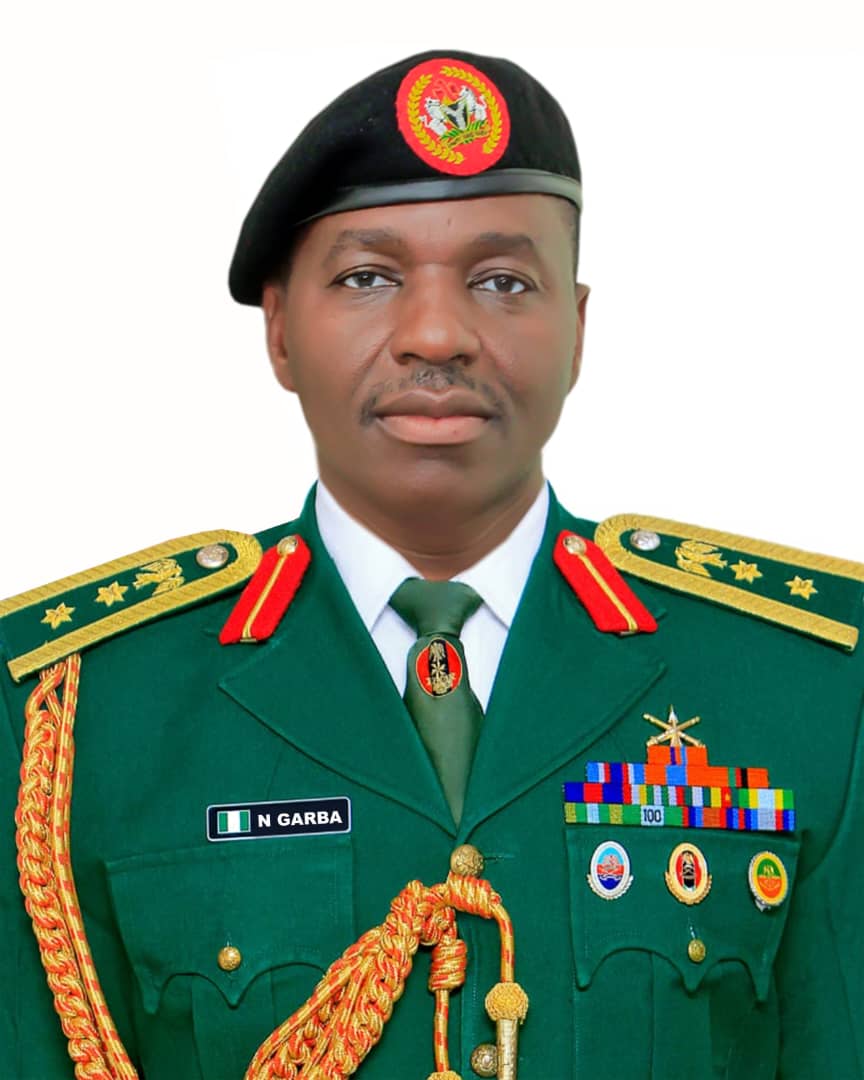
Col Nasiru Garba Zurmi was born in Zurmi, Zamfara State, on 31 Dec 74 to the families of Alhaji Garba Bazamfare Nasarawan Zurmi, a notable businessman in Zurmi Local Government, Zamfara State. He hails from Zurmi LGA of Zamfara State.
A Victor in his field
BIOGRAPHY OF COL NASIRU GARBA ZURMI
Zamfara commits ₦1.07bn to provide free healthcare for 89,232 vulnerable people

Health Care for Vulnerable People
Health Care for Vulnerable People
Courtesy Visit of officials of Medicine Sans Frantiers (MSF) Partners Supporting General Hospital Zurmi, Health Facility Yanbuki, Health .....
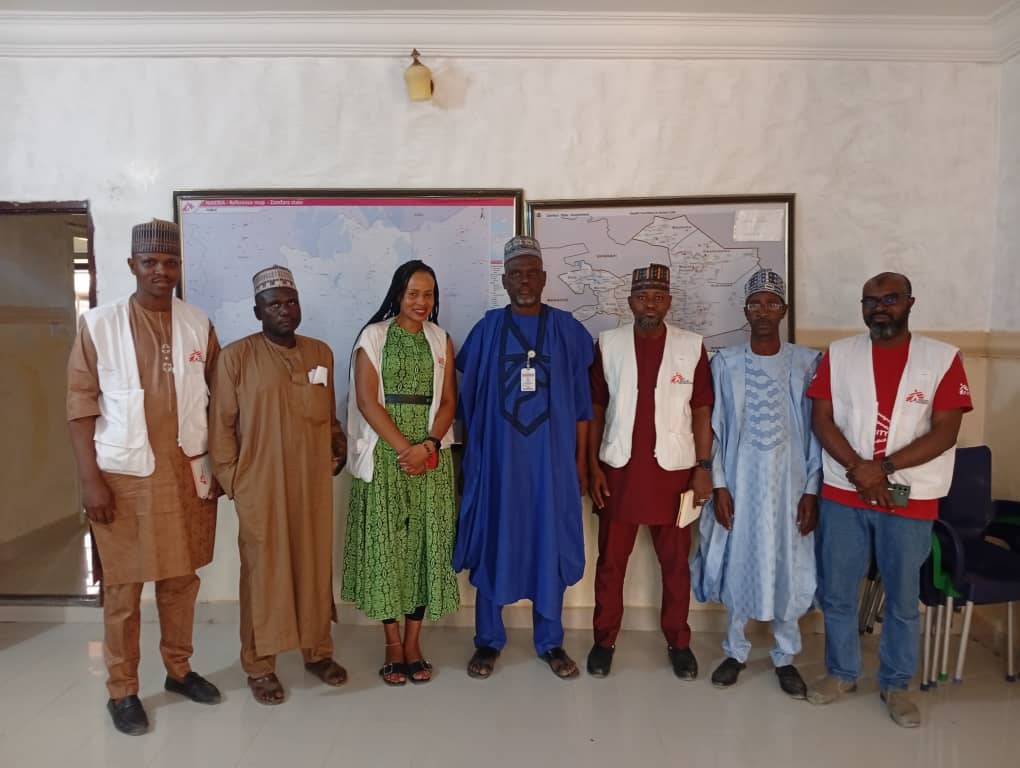
Medicine Sans Frantiers (MSF)
Courtesy Visit
Multi-Billion Naira Solarisation of General Hospital Zurmi by Medicines SANS Frantieriers (MSF) partners Spain

Multi Billion Naira Solarisation of General Hospital Zurmi by MSF Spain
General Hospital Zurmi
Evening review meeting for 2025 Polio Immunisation at Zurmi Emirate, Zurmi Local Government today 27/04/2025Flag of Immunisation 2025 at Zurmi Emir Palace on 26/04/2025.
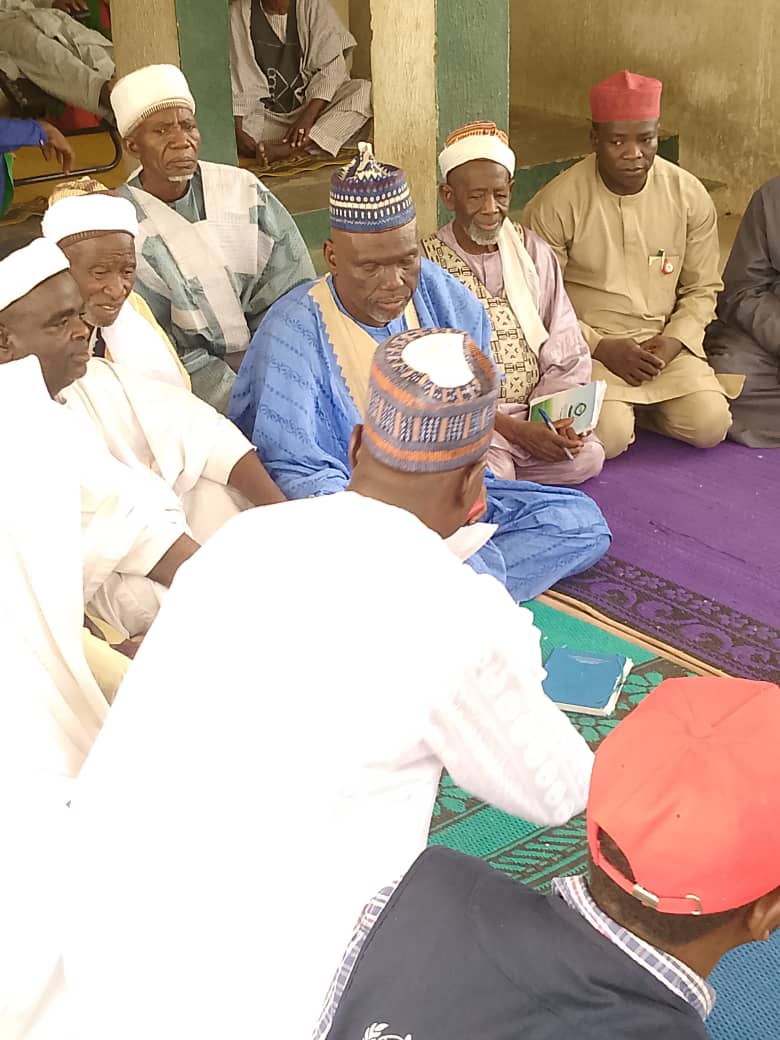
Evening review meeting for 2025 Polio Immunisation
Executive Chairman Zurmi Local Government, Hon. Councillor Health, Special Adviser Health, Ag. Secretary, Director of Primary Health Care, Partners UNICEF, Partners WHO and other Stakeholders.
Flag of Immunisation 2025 at Zurmi Emir Palace on 26/04/2025. Attended by HRH the Emir of Zurmi, Executive Chairman Zurmi Local Government, Hon. Councillor Health, ....
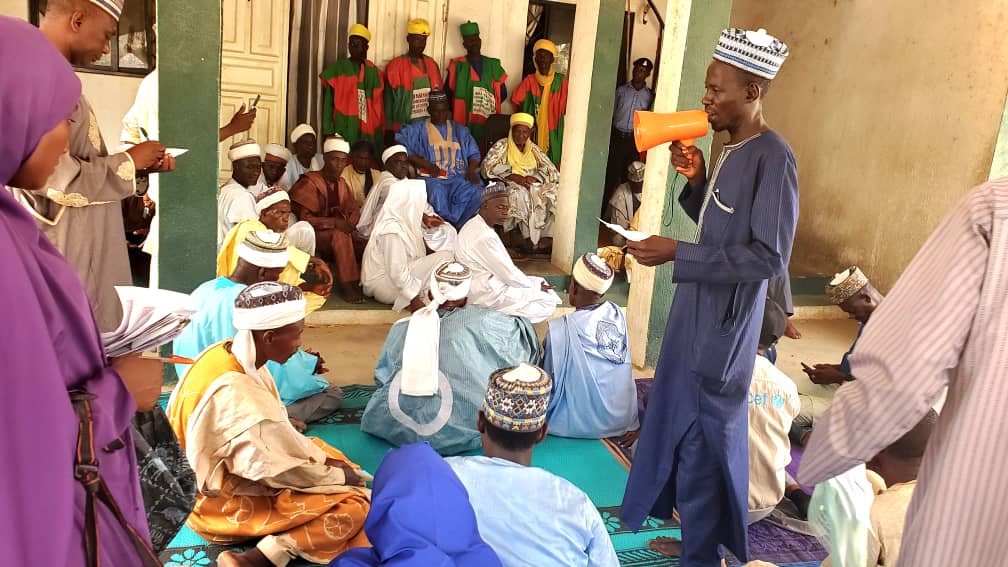
Flag off of Immunisation polio 2025
Partners WHO and other Stakeholders.
His Royal Highness Alh. Bashar Ismail Ari III Sarkin Burmin Moriki Emir Of Moriki

Sallah Homage
Sallah Homage
Supporting farmers to cultivate their farm products in Moriki

HRH the Emir Of Moriki, Alh. Bashar Ismail Ari III and the Executive Chairman
Harvesting period.
Eid Prayer attended by HRH Alh. Muhammad Bello Suleman Sarkin Zamfara Zurmi Emir Of Zurmi and The Executive Chairman Zurmi Local Government Samaila Husaini Moriki
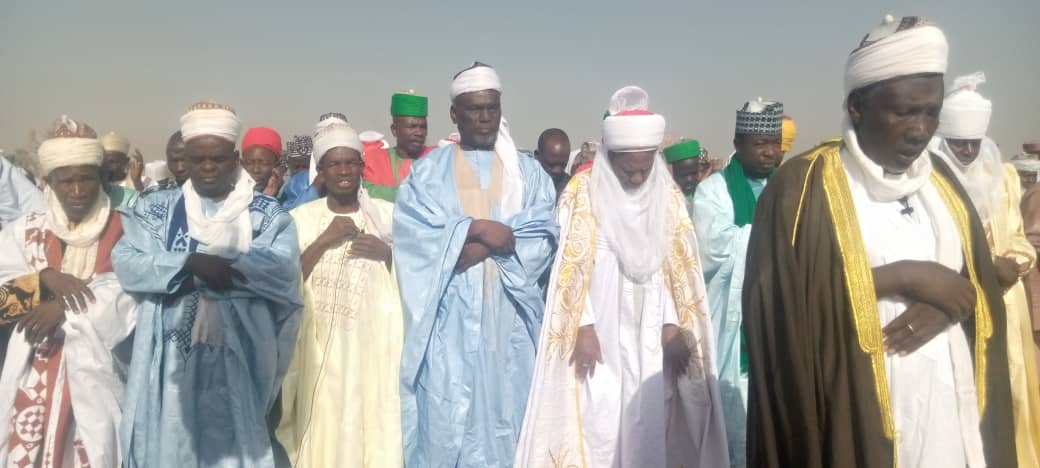
Eid Prayer
Eid Prayer attended by HRH Alh. Muhammad Bello Suleman
Water is Life a giant project for the general rehabilitation of water projects in Zurmi Local Government by the Local Government
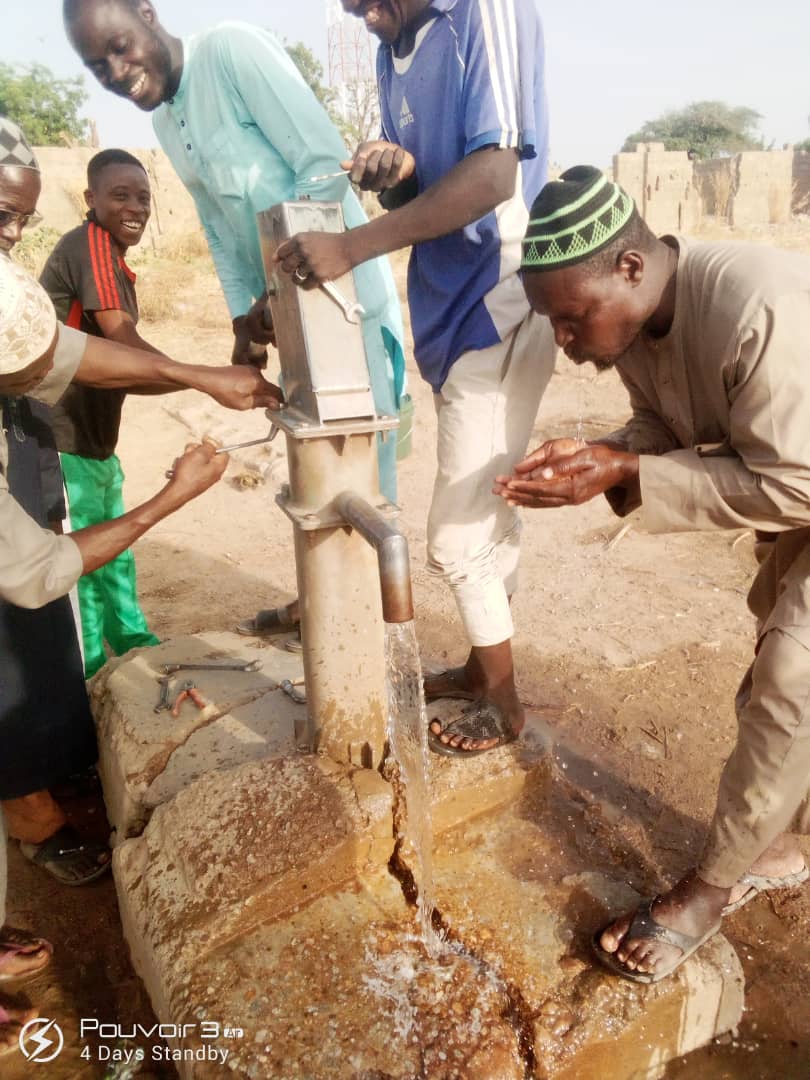
General Rehabilitation of Water (GRW)
Zurmi Local Government
Distribution of Ramadan Welfare package of food items to 3000 people of Zurmi Local Government.
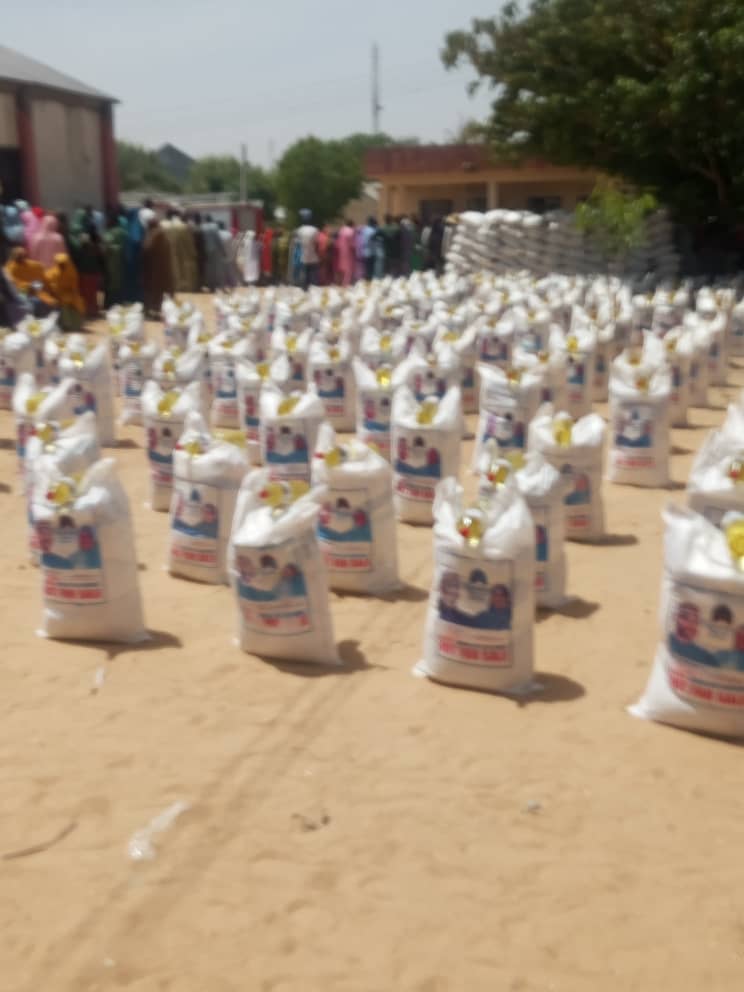
Distribution of food items
Her Excellency the Wife of the Executive Governor Hajiya Huriyya Dauda Lawal
Wife of the Executive Governor Hajiya Huriyya Dauda Lawal was conferred with the traditional title of INNAWURO of Zurmi Emirate

Emirate
Traditional Title of Tauraruwar Moriki.
In the effort of RT. Honourable Speaker Zamfara State to boost the Economy of Women in Zurmi Local Government distributed Business support to 1000 women in the Local government with Business grant.
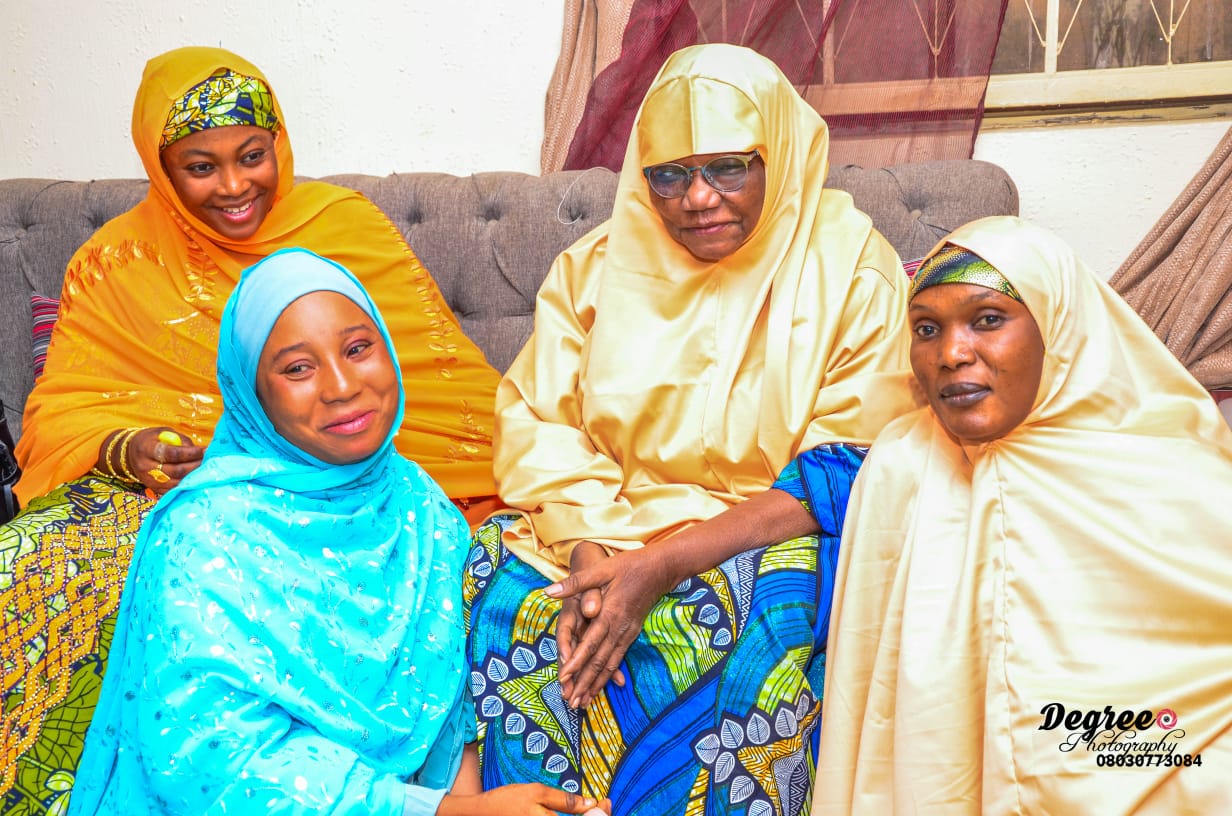
RT. Honourable Speaker Zamfara State
Boosting the Economy of Women in Zurmi Local Government
the governor visited Zurmi local government and assured the people that banditry would soon be a thing of the past.
